

Erectile Dysfunction
In the treatment of erectile dysfunction, we use medications, injections, ESWT-Shock Wave Therapy, genital area biofeedback, and genital area anti-aging systems.
Premature Ejaculation
In premature ejaculation, possible organic causes, imbalances, infections, and neurological problems are investigated, and the treatment plan is formulated.
Andropause
Andropause treatments include medical treatments for erectile dysfunction and ejaculation problems, metabolic monitoring, special diet programs, and treatments for prostate health.
Exosome Therapy
Although different treatment options such as shock wave, PRP, and stem cell therapies are widely used, recent studies have demonstrated the potential tissue-repairing effect of exosome therapy.
Breaking Taboos in Turkey for 23 Years
 When I became an associate professor at Cerrahpaşa Faculty of Medicine in 1978, andrology—namely sexual function units—was just beginning to be established around the world. In the early 1980s, a handful of doctors worldwide had started organizing annual meetings on this subject. Prof. Dr. Alpay Kelami in Berlin and Dr. John Pryor at the Institute of Urology in London were the pioneers of the science of andrology. As soon as I became an associate professor, I got in touch with these physicians specializing in andrology and began attending the meetings held on this topic.
In 1984, I went to England and worked at the Andrology Clinic led by Dr. John Pryor at the Institute of Urology, affiliated with the University of London. During my stay there, I actively participated in projects within councils studying sexual function. What impressed me the most was the care shown to people experiencing sexual problems and the fact that the issue was handled by a large team. In addition, I was deeply impressed by the highly gratifying results achieved in surgical treatments, such as penile prostheses used to treat sexual dysfunction. I had made up my mind; I needed to establish a unit on this field in Turkey as well and help patients experiencing sexual problems.
And indeed, upon returning to Turkey, without losing any time, I established the Andrology Outpatient Clinic within the Department of Urology at Cerrahpaşa Faculty of Medicine. Shortly after its establishment, we realized before long that this would not be as easy a task as we had thought. The problem was not merely finding patients who presented to our clinic with sexual problems. At the same time, we needed to educate the people—that is, the doctors—who would refer patients at risk of experiencing sexual problems, such as those with diabetes, hypertension, high cholesterol, MS, and depression, to our clinic. We also had to select psychologists, psychiatrists, and gynecologists who would focus on female sexuality. Furthermore, according to beliefs that persisted until the 1990s, sexual problems were considered purely psychological. The organic aspects of these problems were completely unknown and unacknowledged. For this reason, many of my colleagues stated that these problems were the domain of psychologists and psychiatrists, and that I should not be dealing with such matters.
As for me, while trying to break down these prejudices on one hand, I was keeping track of developments in sexual function worldwide, exchanging ideas with various specialists, and striving to apply every new concept to the clinic on the other. Thus, we decided to evaluate sexual problems in a multidisciplinary manner—that is, with specialists from different disciplines. For this purpose, we formed a council with the participation of a urologist, psychiatrist, endocrinologist, metabolism specialist, neurologist, gynecologist, and psychologist. All our patients were evaluated by this council and treated according to the underlying health problems causing their sexual issues. Over time, we began to see the results of our efforts. Our patient numbers began to grow, and there was an increase in the number of physicians referring patients to us.
With this success, in 1989, I transformed the sexual function outpatient clinic into the Sexual Function Research Center under the Department of Family Planning and Infertility affiliated with Istanbul University. The work of this center continued until 2003. Subsequently, thanks to the achievements it attained and the interest it received, this center was turned into the Division of Andrology affiliated with the Department of Urology. I continued my work as the head of this division.
We had long wanted to elevate our work on sexual function problems to an academic dimension. To raise awareness regarding sexual problems, educate physicians interested in this field, and exchange information on a common platform, we founded the Turkish Society of Andrology in 1992 upon the recommendation of my physician friends abroad, particularly Prof. Dr. Alpay Kelami. With the establishment of the society, we began organizing international congresses every two years together with my Italian colleagues. In the years 1993, 1995, and 1997, we organized three international congresses under the title “Andrology in Turkey”. In 2000, we achieved great success at the Barcelona European Congress of Andrology, which I chaired and which we organized as the Turkish Society of Andrology. During this period, I represented Turkey on the scientific platform by serving on the board of directors of the European Society for Sexual and Impotence Research (ESSIR).
Although all these academic efforts truly allowed sexual problems to be expressed more easily around the world and in Turkey compared to before, patients experiencing sexual function problems were still unable to speak comfortably about their issues and could not consult a doctor due to shame, anxiety, and fear. For this reason, in 1998, together with a group of doctors from European countries under the leadership of Dr. John Pryor once again, we founded the European Sexual Dysfunction Alliance (ESDA). The aim of this alliance was to deliver information regarding sexual problems to patients via telephone helplines and to assist them regarding treatment. Indeed, telephone helplines operating without financial gain were established across a series of European countries. In 2002, I established the Turkey branch of ESDA within the Family Health Research Society (ASAD). Working in collaboration with physicians across exactly 22 universities in Turkey under ASAD, we formed an academic council. Apart from this council, we also built a joint platform with various associations and foundations. Thus, a patient calling our telephone information helpline had the chance to consult a physician in their own region and receive treatment.
Unfortunately, since sexuality was still considered a taboo in Turkey in the 2000s, despite all our promotional efforts, the calls received on our helpline were very limited. As the ESDA Turkey office, we organized numerous press conferences, research studies, and promotional campaigns.
Perhaps the most valuable among these was the Anatolian tour we organized. Traveling through various provinces in Anatolia with a theater troupe, we delivered messages to people while making them laugh through our theater team. Meanwhile, our specialists answered the written questions submitted by the guests attending the event.
Furthermore, while our public-oriented work continued, sexual function centers were increasing all over the world. Training physicians specialized in sexual function to work in these centers was just as important as educating the public. Because a physician specialized in this field was key to establishing an accurate diagnosis and selecting the right treatment for a patient experiencing sexual problems. To this end, in the 2000s, as a group of doctors led by Prof. Dr. Mancini Fabris, we initiated the work of the School of Andrology. Today, this school has become an active institution with esteemed faculty and participants, where experts from many corners of the world provide training.
In addition to all of this, I still wanted to improve the quality of patient care. While sharing their sexual problems was a very difficult topic for patients, the diagnostic process undergone until reaching the right treatment was also becoming unbearable for many patients. What I wanted was to complete the necessary tests as soon as possible after the patient applied to the clinic with sexual problems, proceed to their treatment, perform the required surgical procedures within a few days, and return the patient to their daily life and sex life as quickly as possible. That is why I founded Turkey’s first uro-andrology hospital in 1997. Today, in our hospital, which has a 23-year history, we continue to serve patients with a team spirit approach.
As I experience the 40th year of my profession, I believe more than ever that informing patients is crucial. Today, while health awareness on one hand and patients’ knowledge and interest regarding their own health on the other hand are increasing, sexuality continues to be a very difficult topic to discuss. Since sexuality and sexual problems cannot be expressed in our society, patients experiencing these types of problems feel lonely, helpless, and hopeless. They do not know where to apply, how to get information, or which treatment options they can benefit from. However, there is definitely a treatment for all sexual problems. It is possible to enjoy sexuality at all ages.
Sexuality is too natural to be a taboo, yet too complex and important to be oversimplified. Understanding all the biological, psychological, and social factors that contribute to your sexuality, getting to know yourself first and then your partner, knowing what steps you need to take when encountering sexual problems, and utilizing proper communication principles while overcoming these issues will open the doors to a quality sex life for you.
Prof. Dr. Halim HATTAT
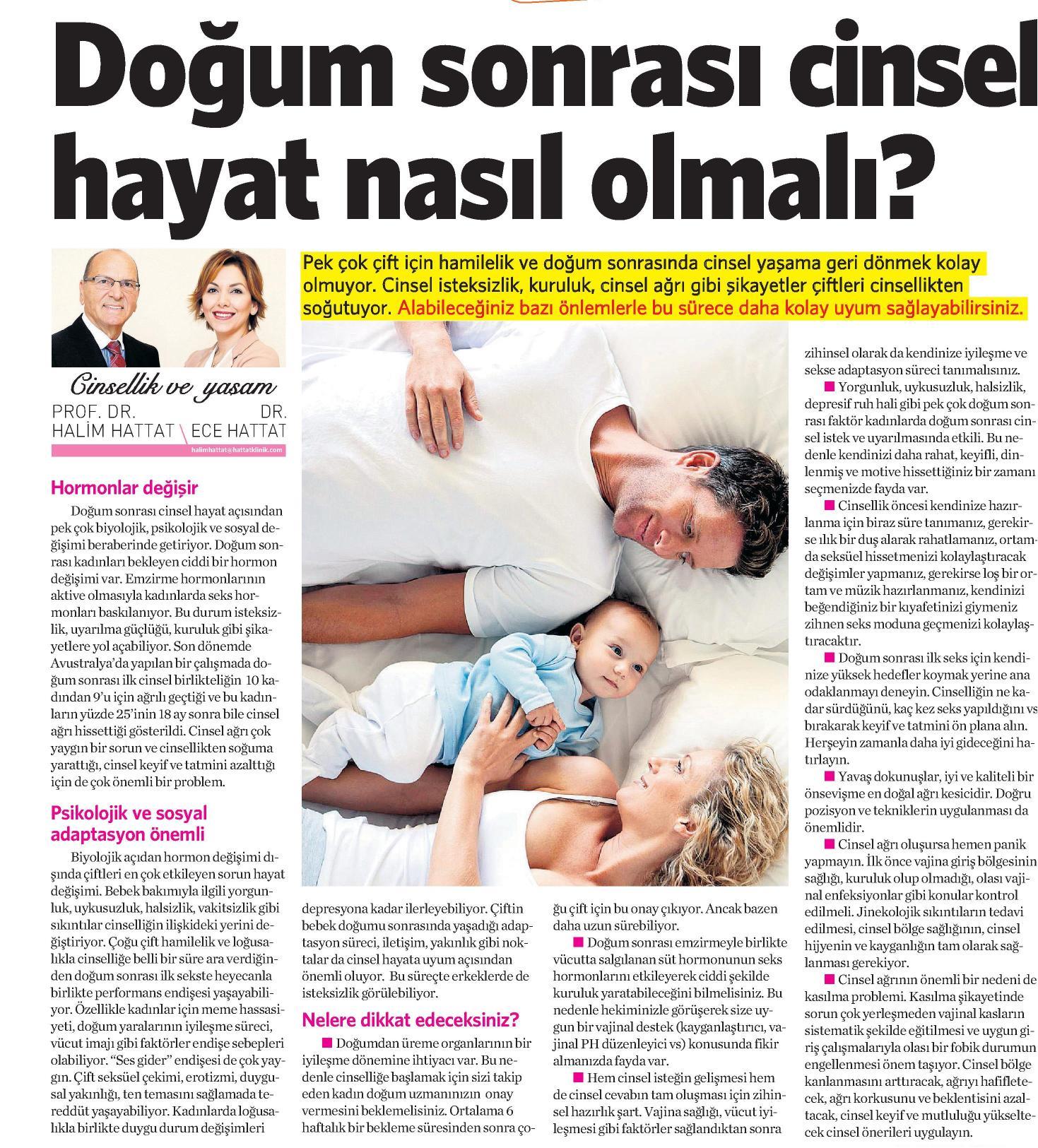
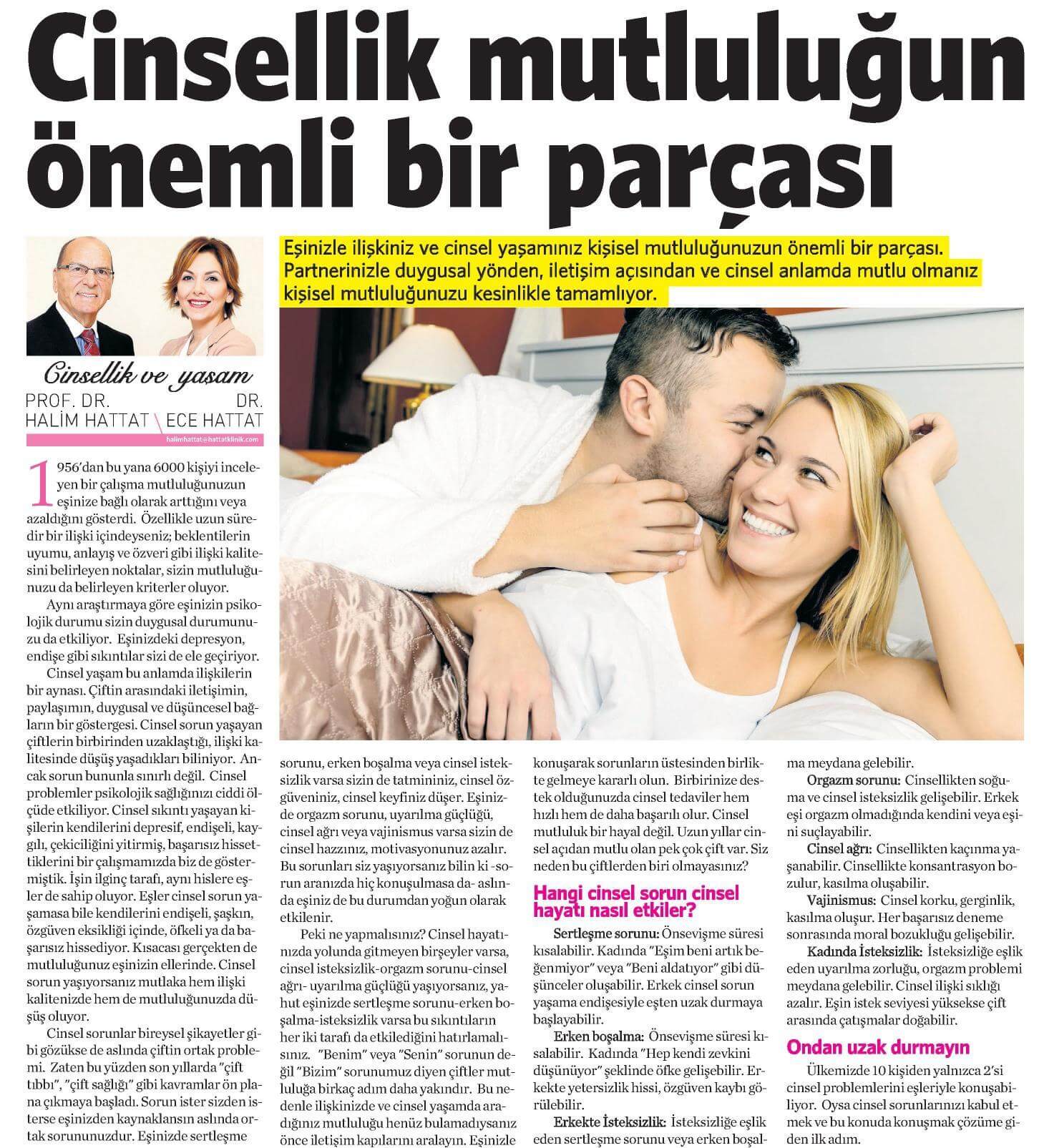
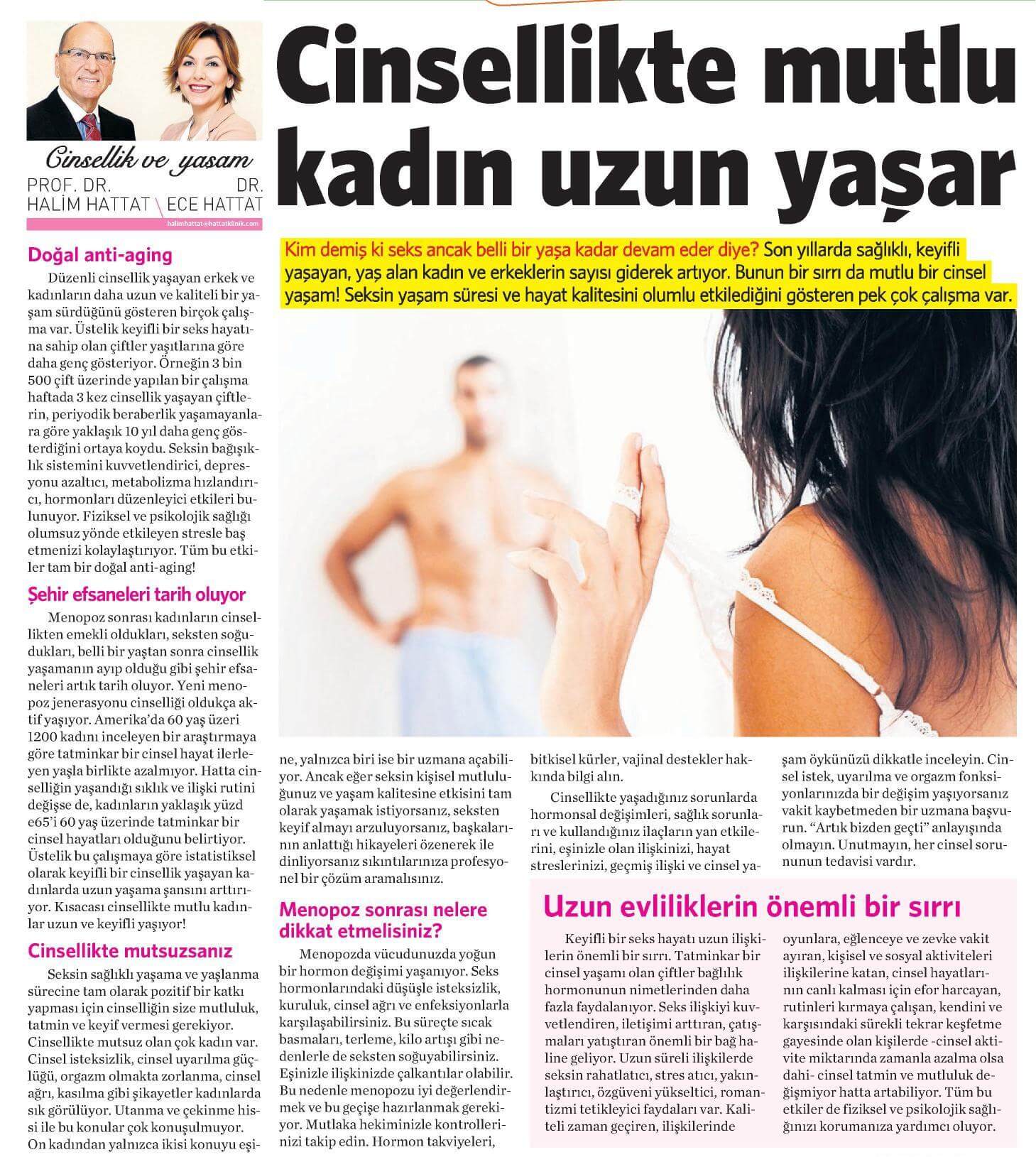
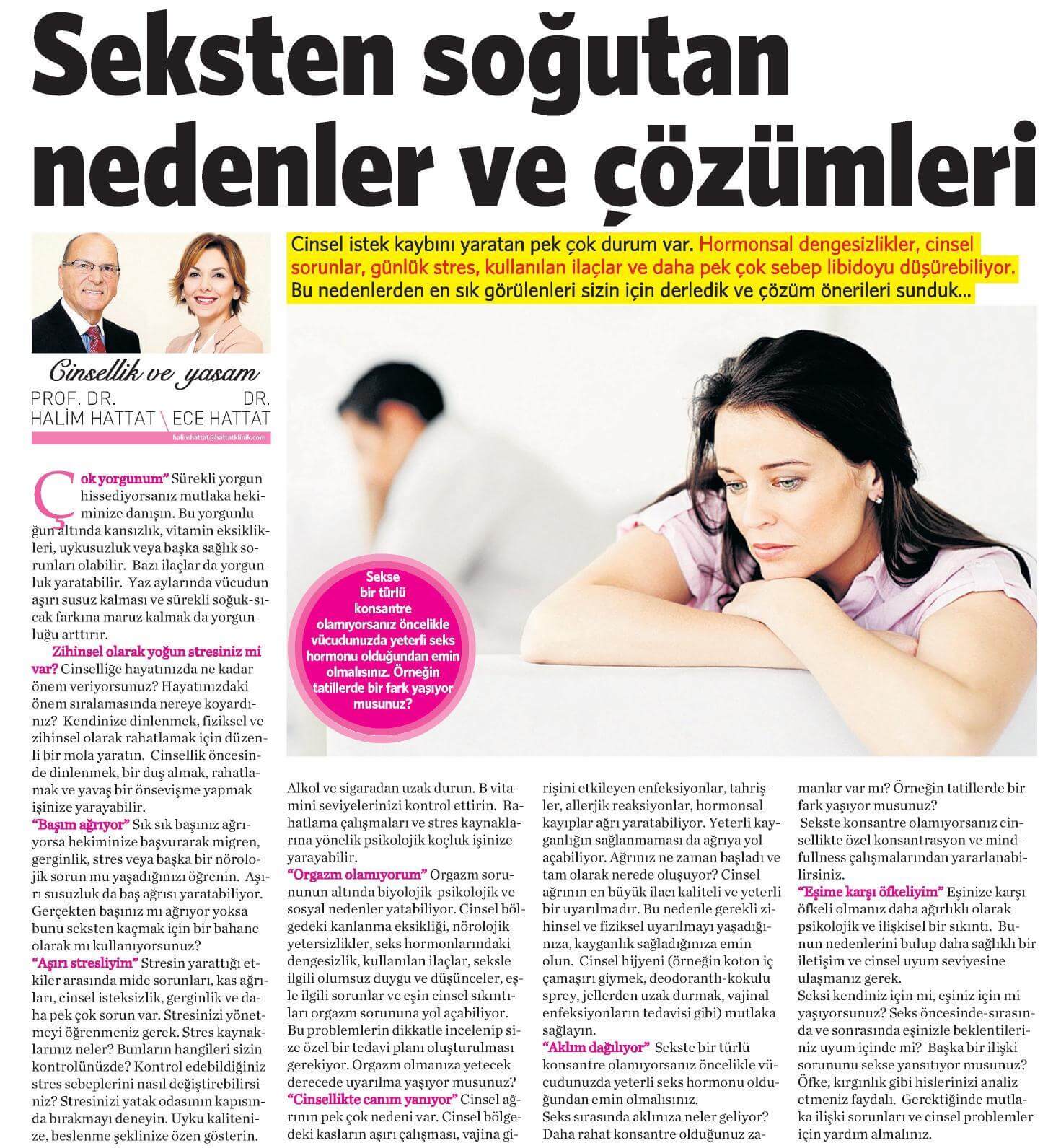
Halim Hattat in the Press
Prof. Dr. Halim Hattat’s distinguished background and his treatment of patients with the most critical and complex cases enable him to be widely featured in the press.



Roadmap of Manhood
A Guide to Sexuality
Sexuality is a subject too natural to be a taboo, too complex to be oversimplified, and of vital importance. This book opens new doors for you to understand all the biological, psychological, and social factors that influence male sexuality, get to know yourself first and then your partner, know what steps to take when encountering sexual problems, utilize proper communication principles while overcoming these issues—in short, for a quality sex life.
Prof. Dr. Halim Hattat reveals the secrets of a quality sex life for men, incorporating sample patient case histories, self-tests, and homework assignments.